
Search Website
GDPA Information
GDPA Progression
Progression Requirements
To remain registered and to graduate, GDPA students must maintain an overall average of at least 70 percent and receive no grade lower than 60 percent in each course. A final course grade lower than 60 percent is grounds for withdrawal from the program, but the final decision is at the discretion of the Program Director.
Typically, a student who receives one final course grade lower than 60 percent is given the opportunity to repeat the course once. However, if a student receives multiple final course grades below 60 percent or a grade lower than 60 percent when they repeat a course, they will normally be withdrawn from the program for failure to meet progression requirements.
Time to Completion
The maximum time to complete for GDPA students is four calendar years from initial registration.
A student will normally be withdrawn at the end of their maximum registration time limit unless the Vice-Provost (Graduate and Postdoctoral Studies) has approved an extension.
Any withdrawn GDPA student wishing to return to the program must reapply and be accepted into the program. Admission is competitive and not guaranteed. Normally, applications from students who have been withdrawn for two or more years will not be considered.
Graduation Requirements
Students must receive four credits in order to graduate (PA9901, PA9902, PA9903, PA9904).
Courses
The GDPA has four required courses. The courses offer specialized education in local administration and policy analysis, giving the experienced student the prospect of being better prepared for the challenges of modern community, urban, and regional governance and administration.
PA 9901 - Advanced Local Government
This course provides an advanced overview of local government in Canada. It surveys the structures, functions, and financing of local governments, and examines their relations with federal and provincial governments. This course is also a gateway for the rest of the program. It will give students the foundational knowledge needed to understand many of the most important issues facing local governments in Canada.
PA 9902 - The Policy Process in Local Government
Building on PA9901, this course introduces students to selected aspects of the academic literature on public policy processes and applies these in the Canadian municipal context, with particular emphasis on Ontario applications and examples.
PA 9903 – Theories of Organizations
This course introduces students to select aspects of the academic literature on theories of public administration and organizational behaviour. Students will learn how public organizations and the behaviours of the people who inhabit them relate to individual, group, organizational, and societal outcomes. They will apply a theory-based lens to help them better understand how public organizations work.
PA 9904 - Local Government Management/Administration
Drawing upon theories and research findings in public administration and management, this course examines administrative approaches, issues, and debates arising in local government administration. Students will learn how the complex and unstable environment of public sector organizations produces both challenges and opportunities for public sector managers and will apply insights from the management and public administration literatures to real-world local government settings.
Note: There are no exemptions granted for any GDPA courses.

Tuition
GDPA tuition is pay per course. Students are charged in the term that they are taking a course(s). Western sets tuition and fee rates before the start of each term. The Tuition Fees Schedules are published by the Office of the Registrar and can also be found on the School of Graduate & Postdoctoral Studies (SGPS) website.
Graduation & Convocation
Apply to Graduate
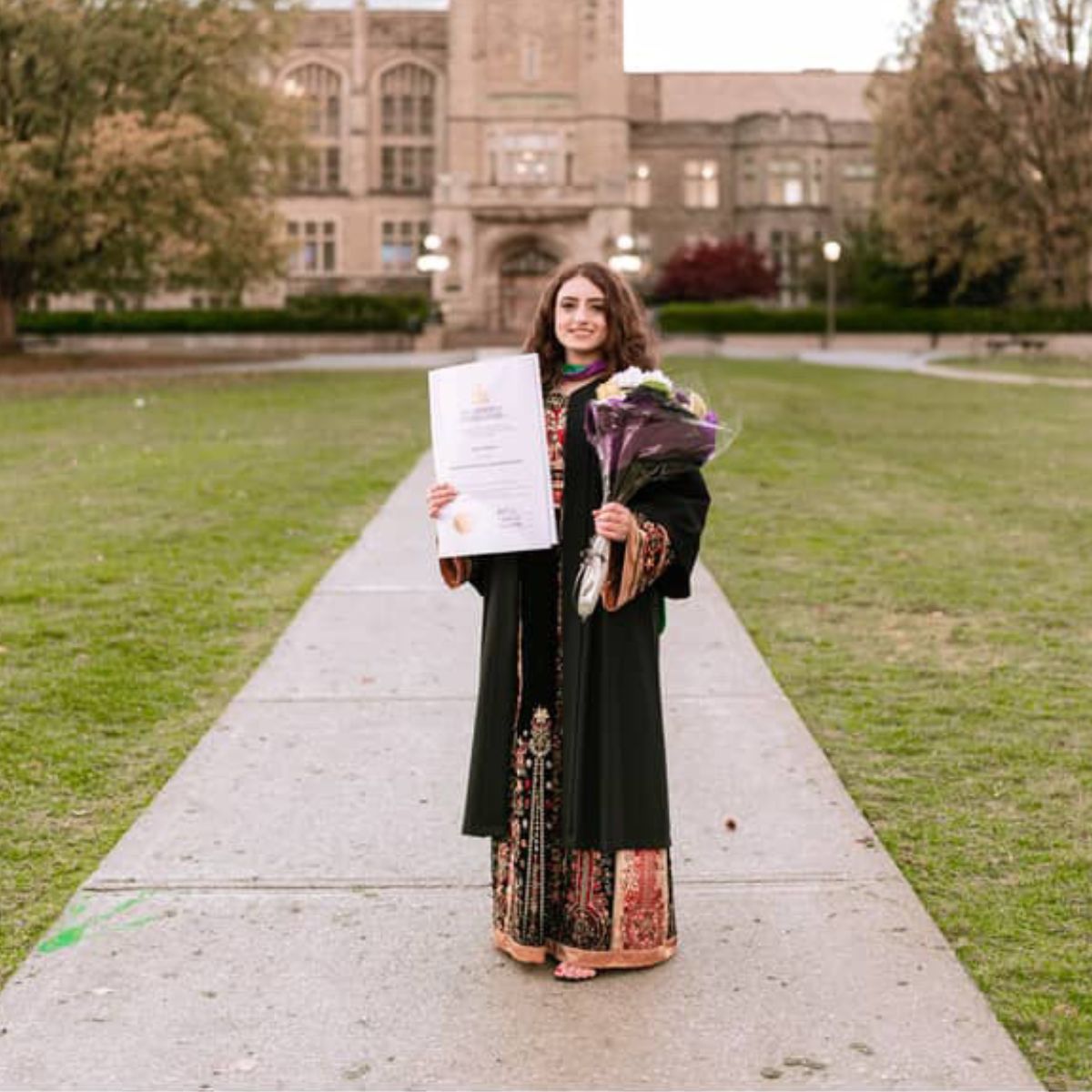
Once students are in their last term of study, they will receive communication that confirms and provides instructions on the process to Apply to Graduate via the School of Graduate Postdoctoral Studies (SGPS) in Student Center. SGPS approves the application and forwards the potential graduate names onto the Office of the Registrar. Once the Office of the Registrar receives confirmation (usually at the end of the term) that the student will be graduating, they will start communicating directly with the student regarding graduation/convocation.
Convocation
Convocation is managed by Western's Office of the Registrar, please refer to their webiste for all your questions regarding dates, the ceremony, regalia, tickets, your diploma, etc...
Western's Convocation website has information for graduates who do not attend convocation and need to request delivery of their diploma.
Transfer to MPA
Each year, we will open five spots for currently enrolled GDPA students to transfer directly to the MPA. GDPA students wishing to transfer to the MPA program must meet with following minimum eligibility criteria:
- Possess a four-year degree from a recognized postsecondary institution
- Be currently enrolled in the GDPA program
- Have completed at least two GDPA courses
- Have an average of 80% or higher across all GDPA courses taken to date
Upon having met these criteria, and no later than January 15th, students must contact the program (localgov@uwo.ca) to request to be considered for a transfer to the MPA. The transfer spots will be awarded to the five students with the highest cumulative GDPA averages. Students approved to transfer into the MPA will start in either the following summer or fall term.
GDPA students who do not meet the minimum eligibility criteria and/or are not awarded one of the five transfer spots are welcome to apply to the MPA program through the regular admissions process. For these students, successful completion of the GDPA will be a condition for MPA program admission.